
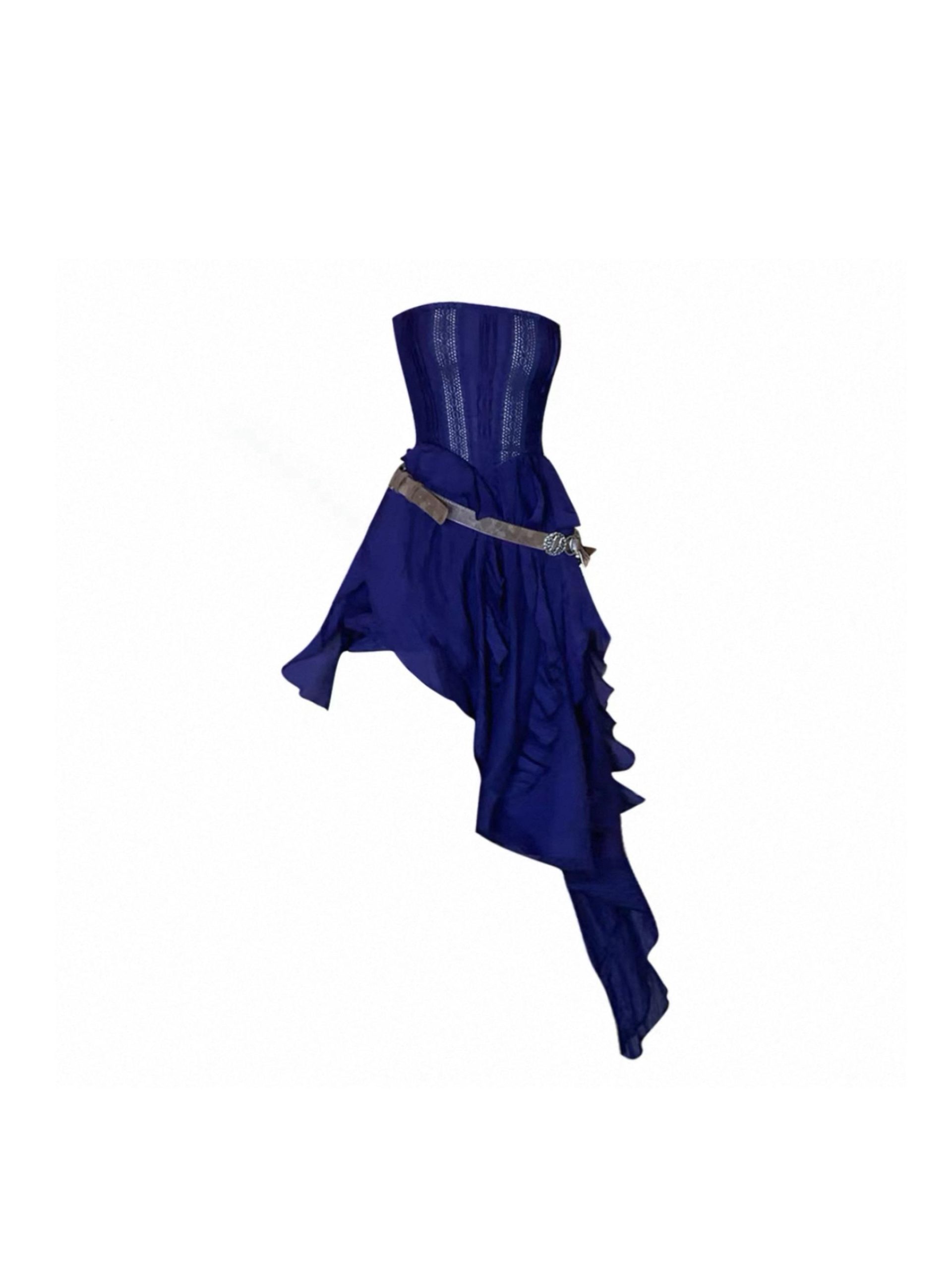
Stage costumes do more than make performers look good. They help audiences understand characters, support movement, and contribute to the visual world of a production. A successful costume must work not only in a fitting room but also under stage lights, at a distance, and through repeated performances.
What Is a Stage Costume?
A stage costume is clothing and related accessories selected or created for a live performance. It can include shoes, hats, jewelry, wigs, and other elements that help establish a character or visual style.
Unlike everyday clothing, a stage costume must be designed around the needs of a production. A jacket may need to communicate a character’s status from the back row, allow an actor to raise their arms, and come off quickly during a scene change.
Stage Costumes vs. Film Costumes
Film audiences often see clothing in close-up, while theater audiences may view it from many meters away. As a result, stage costumes often rely on recognizable silhouettes, stronger contrasts, and details large enough to read at a distance.
This does not mean every stage costume should be exaggerated. The right level of detail depends on the venue, the production style, and the director’s vision.
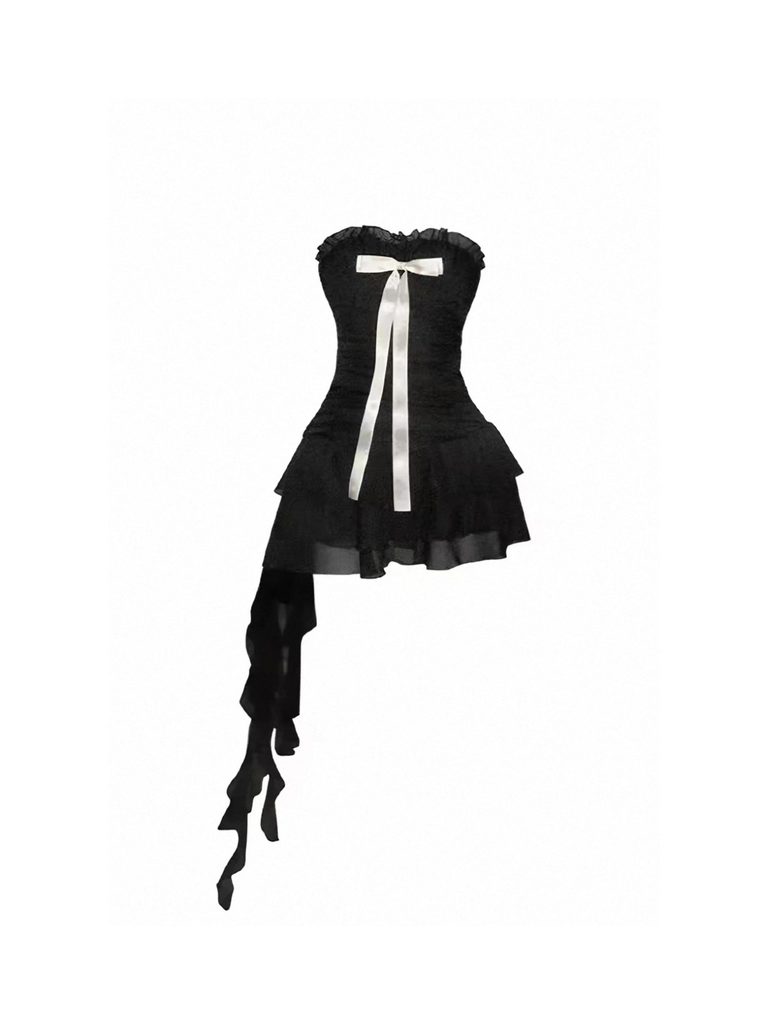
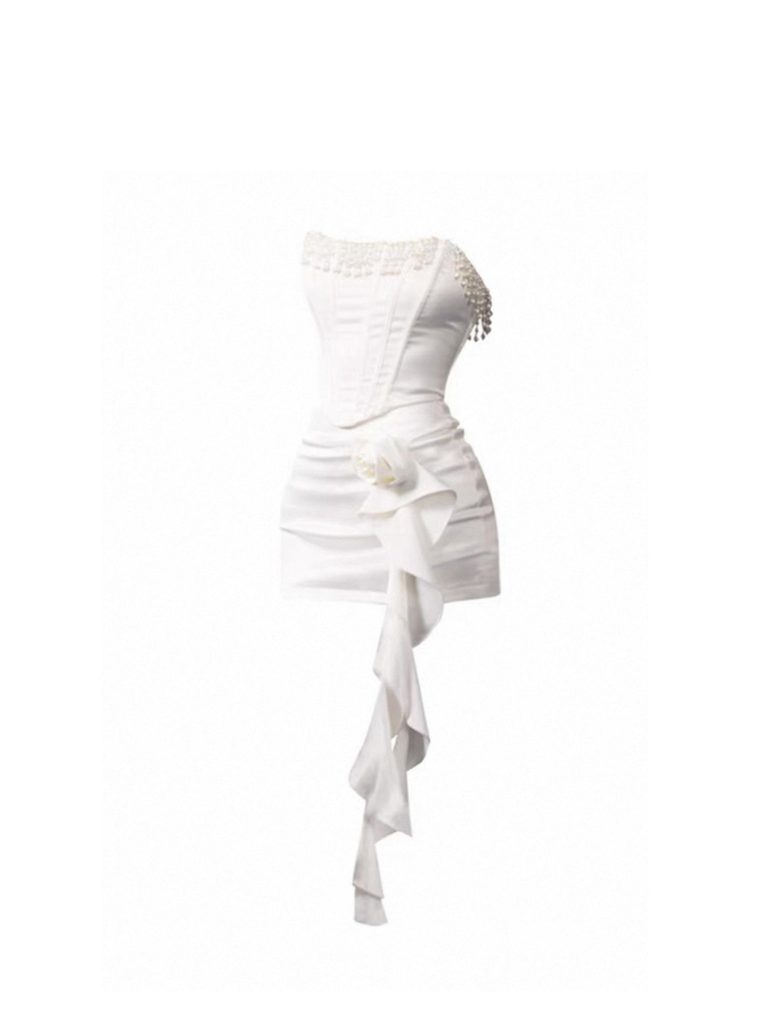
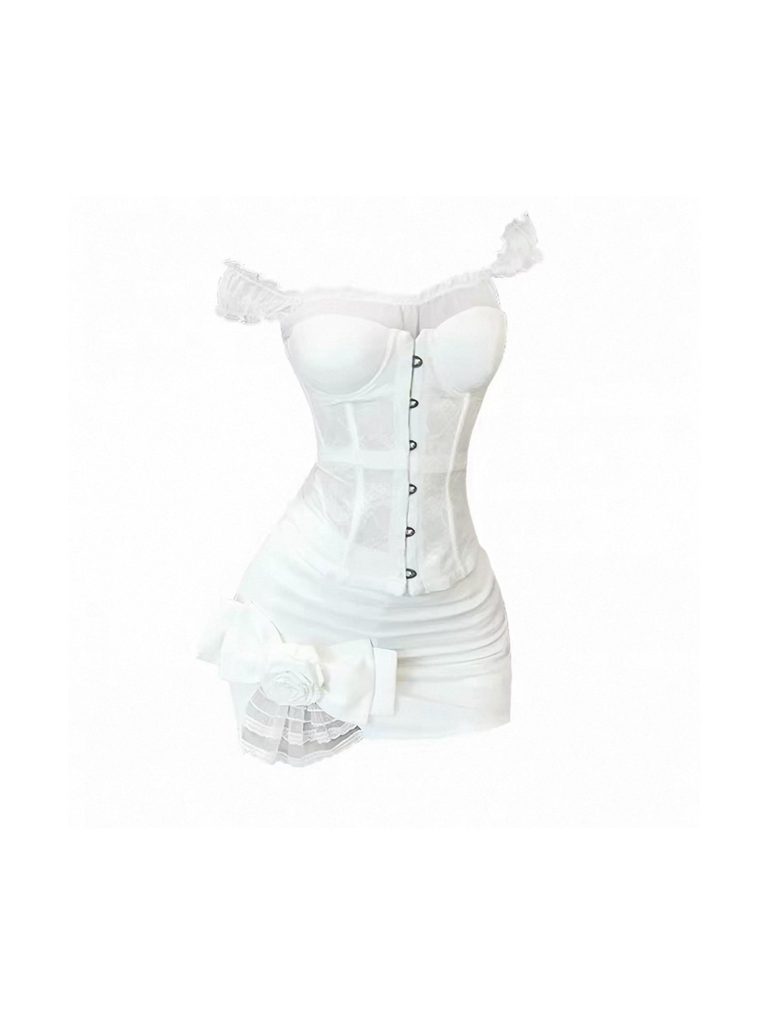
How Stage Costumes Support a Performance
They Communicate Character
Before a character speaks, their costume can suggest information about their occupation, social position, personality, or circumstances.
For example, two characters might wear similar uniforms, but differences in fit, condition, and accessories can make one appear disciplined and the other careless. Changes in clothing across scenes can also show how a character develops.
They Support Movement
A costume should let the performer carry out the required action safely and confidently. Consider whether the actor needs to:
- Dance, kneel, run, or climb stairs
- Handle props or a microphone
- Perform choreographed physical action
- Change clothes quickly between scenes
- Wear the costume for long periods
A beautiful costume that restricts breathing or movement can distract the performer and weaken the scene.
They Work with Lighting
Fabric can look very different under stage lighting. A color that appears rich in daylight may look dull under a particular lighting cue, while shiny fabric can create unwanted glare.
Whenever possible, test costumes under the actual lighting and against the set. View them from several positions in the auditorium, including the back row. Photographs can help document the result, but they should not replace in-person observation.
A Practical Stage Costume Design Process
1. Start with the Production
Read the script or performance brief and discuss the concept with the director and creative team. Identify the setting, time period, tone, and visual style.
A historical production may call for research into period dress, while a contemporary reinterpretation may deliberately mix references. Either way, the choices should support the story rather than compete with it.
2. Analyze Each Character
Create a short costume brief for every major character. Include:
- Their role and relationships
- Their personality and circumstances
- How they change during the story
- The scenes in which they appear
- Their movement and costume-change requirements
This brief helps turn general ideas into useful design decisions.
3. Build a Consistent Visual System
Plan the cast as a whole, not as a collection of unrelated outfits. Decide how color, shape, texture, and accessories will distinguish characters or groups.
For example, one family might share a restrained color palette, while another uses brighter colors and looser silhouettes. A lead character can stand out through contrast without necessarily wearing the most elaborate costume.
4. Choose Materials with Care
When comparing fabrics, consider their appearance, weight, flexibility, durability, and cleaning needs. Lightweight material may be comfortable, but it must also withstand the movement and demands of the show.
Check the venue’s rules for costumes and materials, especially where flame effects, open flames, or other hazards are involved. Consult the production’s safety personnel and use approved materials or treatments where required.
5. Plan the Budget
List expected costs before buying or making costumes. Include garments, fabric, shoes, accessories, alterations, cleaning, repairs, and a contingency for unexpected needs.
Buying, renting, borrowing, and adapting existing clothing can all be useful. Reserve custom work for items where fit, movement, or a distinctive design makes it worthwhile.
6. Fit, Rehearse, and Adjust
Schedule fittings early enough to make changes. Ask performers to carry out the movements required in the show rather than simply standing in front of a mirror.
During rehearsal, check that:
- Fastenings stay secure but can be opened when needed.
- Shoes provide appropriate support and grip.
- Hems and accessories do not create trip or snag hazards.
- Costumes work with props, microphones, and set pieces.
- Quick changes can be completed reliably with the available help.
A Simple Example: Costuming a Classic Play
Imagine a production of Romeo and Juliet set in a contemporary city. The design team wants the two families to be recognizable without relying on elaborate historical clothing.
The Montagues could wear softer shapes and a muted palette, while the Capulets use sharper tailoring and stronger contrasts. Romeo and Juliet might share a subtle color connection that separates them from their families and suggests their relationship.
Before finalizing the designs, the team should test them in group scenes. If the families are hard to distinguish from the back of the theater, the costumes may need clearer differences in silhouette or contrast.
Common Mistakes to Avoid
- Designing each costume in isolation. Individual outfits may look good but fail to create a coherent production.
- Ignoring the performer’s needs. Restricted movement, uncomfortable shoes, or difficult fastenings can undermine the performance.
- Relying only on small details. Fine embroidery or subtle accessories may disappear at a distance.
- Skipping lighting tests. Colors and reflective surfaces can behave unexpectedly onstage.
- Leaving no time for alterations. Fittings and rehearsals often reveal problems that are difficult to predict from a sketch.
Frequently Asked Questions
Can beginners create stage costumes?
Yes. Beginners can start by researching characters, building a color palette, and adapting existing garments. For complex construction, specialized movement, or demanding quick changes, an experienced costume professional can help.
How can I tell whether a costume works?
Look at it from the audience’s perspective and ask the performer how it feels. A useful test combines visibility, character clarity, comfort, movement, and reliability during rehearsal.
Should costumes always be historically accurate?
Not necessarily. Accuracy may be central to one production, while another may use historical references more freely. The important thing is that the choices are intentional and consistent with the production’s vision.