
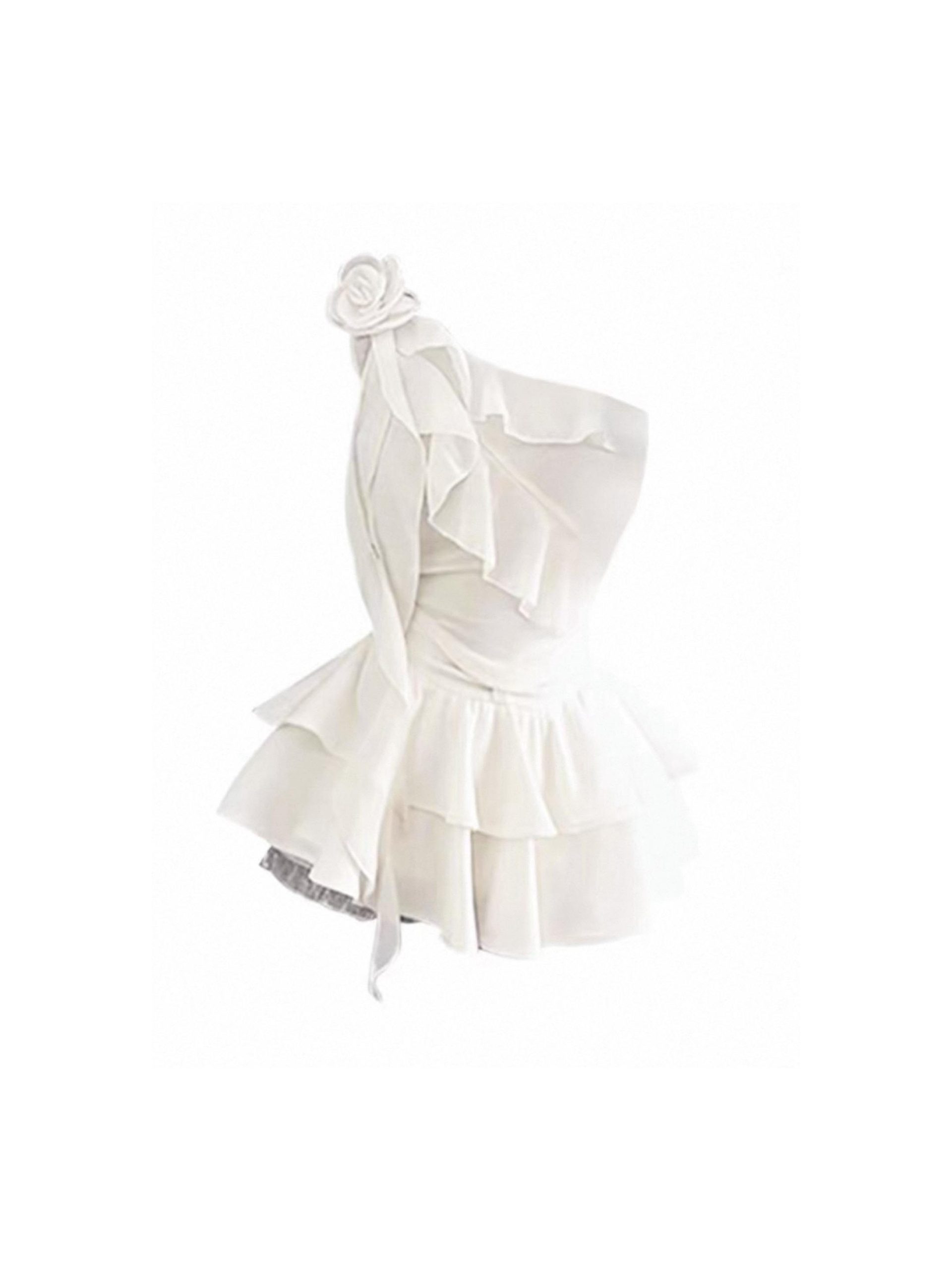
Stage costumes do more than dress actors. They help audiences understand a story, reveal character and support performers throughout a production. From a lead actor’s distinctive silhouette to the coordinated colours of an ensemble, every costume choice contributes to what the audience sees and feels.
Successful stage costume design balances three connected goals: visual communication, character embodiment and practical performance support. Lighting also plays an essential role, changing how fabrics, colours and textures appear on stage.
Visual Communication: Helping Audiences Read the Stage
A stage costume must communicate quickly. Unlike a film audience, theatre audiences may view performers from a considerable distance, so small details can be difficult to see. Colour, silhouette and contrast help make characters recognisable from across the auditorium.
For example, a sharply tailored jacket can create a clear outline, while a long, flowing skirt may give a character a softer silhouette. In an ensemble scene, coordinated colours can show that performers belong to the same group, while a contrasting costume can draw attention to a central character.
Texture also contributes to the visual effect. Smooth, rough, layered or reflective surfaces can add depth to a costume. Designers must consider how these details will appear under stage lighting and whether they remain visible at different viewing distances.
Character Embodiment: Bringing the Script to Life
Costume design helps performers and audiences understand who a character is. Clothing can suggest a character’s age, social position, personality and emotional state. It can also establish the historical period or imagined world of the production.
Some costume choices use familiar visual cues. Structured military lines may suggest discipline and authority, while soft, flowing fabric can communicate freedom or vulnerability. A worn garment may hint at a character’s circumstances, and a carefully maintained outfit may suggest attention to status or appearance.
These cues work best when they support the script and the director’s interpretation. A costume does not need to explain everything about a character. Instead, it should give the audience useful information while leaving room for the performer to bring the role to life.
Costumes can also reflect character development. A change in colour, fit or condition may help show how a character’s circumstances or emotional state have evolved during the performance.
Performance Support: Allowing Actors to Move Freely
A costume must work for the performer as well as the audience. Actors need to breathe comfortably, move naturally and complete the physical demands of a role. Depending on the production, those demands may include dancing, climbing, kneeling, lifting or stage combat.
During fittings and rehearsals, performers should try the movements they will use on stage. A garment that looks right while standing still may restrict an arm movement, catch underfoot or shift during choreography. Adjustments to the cut, fastening or fabric can help solve these problems without losing the intended look.
Security is equally important. Shoes, accessories and costume pieces should remain in place during vigorous activity. For productions with quick changes, practical closures and clearly planned costume layers can help performers change efficiently backstage.
How Stage Lighting Affects Costumes
Stage lighting can transform the appearance of a costume. A fabric colour that looks suitable in a workroom may appear different under coloured light, while surface texture and shine may become more or less noticeable.
Matte fabrics generally absorb more light, creating a softer appearance. Metallic fabrics, sequins and other reflective materials can catch light strongly and draw attention. These effects can be useful, but they need to suit the scene and the overall visual design.
Testing major garments under stage lighting during technical rehearsals helps the costume and lighting teams identify unexpected results. They can then adjust lighting, accessories or costume details before the production opens.
Bringing Costume Design and Performance Together
Effective stage costumes combine storytelling with practical problem-solving. They make characters visually clear, reinforce the world of the production and give performers the freedom to work with confidence.
The strongest results come from collaboration among costume designers, performers, directors, lighting designers and technical teams. When each element is tested in performance conditions, costumes become an active part of the storytelling—not just something actors wear.