
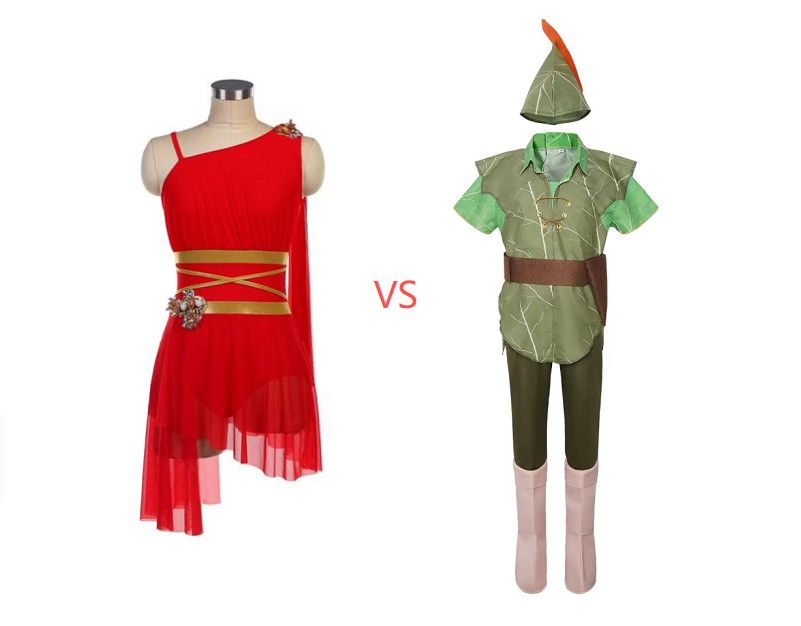
Costumes do more than make performers look the part. They reveal a character’s personality, social status, background, and even emotional state. However, designing costumes for a theater production is not the same as creating them for a movie.
The main difference between stage costumes and film costumes is how audiences see them. Theatergoers usually view performers from a distance, while film audiences may see every detail in a close-up. This difference affects everything from fabric choices to construction techniques.
What Are Stage Costumes?
Stage costumes are clothing and accessories designed for live performances, including plays, musicals, operas, and dance productions. They must communicate character clearly to audiences seated at different distances from the stage.
For example, a royal character might wear a richly colored costume with a recognizable silhouette. Large accessories, distinctive patterns, and carefully chosen fabrics can help the audience identify the character quickly.
Stage costumes also need to withstand repeated performances. Actors may dance, kneel, fight, or make quick costume changes, so garments often require strong seams, flexible materials, and practical fastenings.
What Are Film Costumes?
Film costumes are created for characters appearing on screen. They may need to look convincing in wide shots as well as close-ups, where cameras can reveal small details such as stitching, jewelry, and signs of wear.
Film costume designers often pay close attention to how a character’s clothing fits into the story. A slightly worn jacket, for instance, might suggest that a character has owned it for years. A carefully selected tie could hint at the character’s profession or personality.
Because films are often shot out of sequence, costume departments also track what each character wears in every scene. They may prepare multiple versions of an outfit to account for action sequences, damage, or repeated takes.
Key Differences Between Stage Costumes and Film Costumes
1. Viewing Distance
In theater, costume details must often be visible from far away. Designers may use stronger contrasts, larger patterns, and more defined shapes to make costumes readable.
In film, the camera can move close to the actor. Subtle textures and small accessories may be just as important as the overall shape of the costume.
2. Lighting and Color
Stage costumes must work under theatrical lighting, which can change the appearance of colors and fabrics. Designers test costumes on stage to see how they look during different scenes.
Film costumes are also affected by lighting, but they must work with cameras, locations, and the visual style of the production. A fabric that looks appealing in person may look different on screen.
3. Durability and Movement
Both stage and film costumes need to support movement, but their practical demands can differ. Stage costumes are often worn through full performances night after night. They may also need hidden zippers, snaps, or other features for quick changes.
Film costumes may require special versions for stunts or action scenes. A production might also keep duplicate garments available in case an outfit becomes damaged during filming.
4. Detail and Realism
Stage costumes sometimes emphasize details so audiences can recognize them at a distance. Film costumes, by contrast, often rely on details that hold up under close inspection.
Neither approach is a strict rule. A film can use highly dramatic costumes, while a stage production can favor understated, realistic clothing. The right choice depends on the story and the director’s vision.
Why Costume Design Matters in Theater and Film
Whether created for a live performance or a movie, costumes help tell a story without words. They establish time and place, distinguish characters, and show how those characters change.
Understanding stage costumes vs. film costumes helps reveal how designers adapt their work to different audiences and production needs. Although their techniques may differ, both types of costume design share the same goal: bringing characters and stories to life.